
Skip to content
NewsOKXHong Kong

Crypto Exchange OKX Pursues Virtual Asset Trading License in Hong Kong

OKX is seeking a virtual asset trading license in Hong Kong to strengthen its compliance measures and expand its presence in the Asia-Pacific region

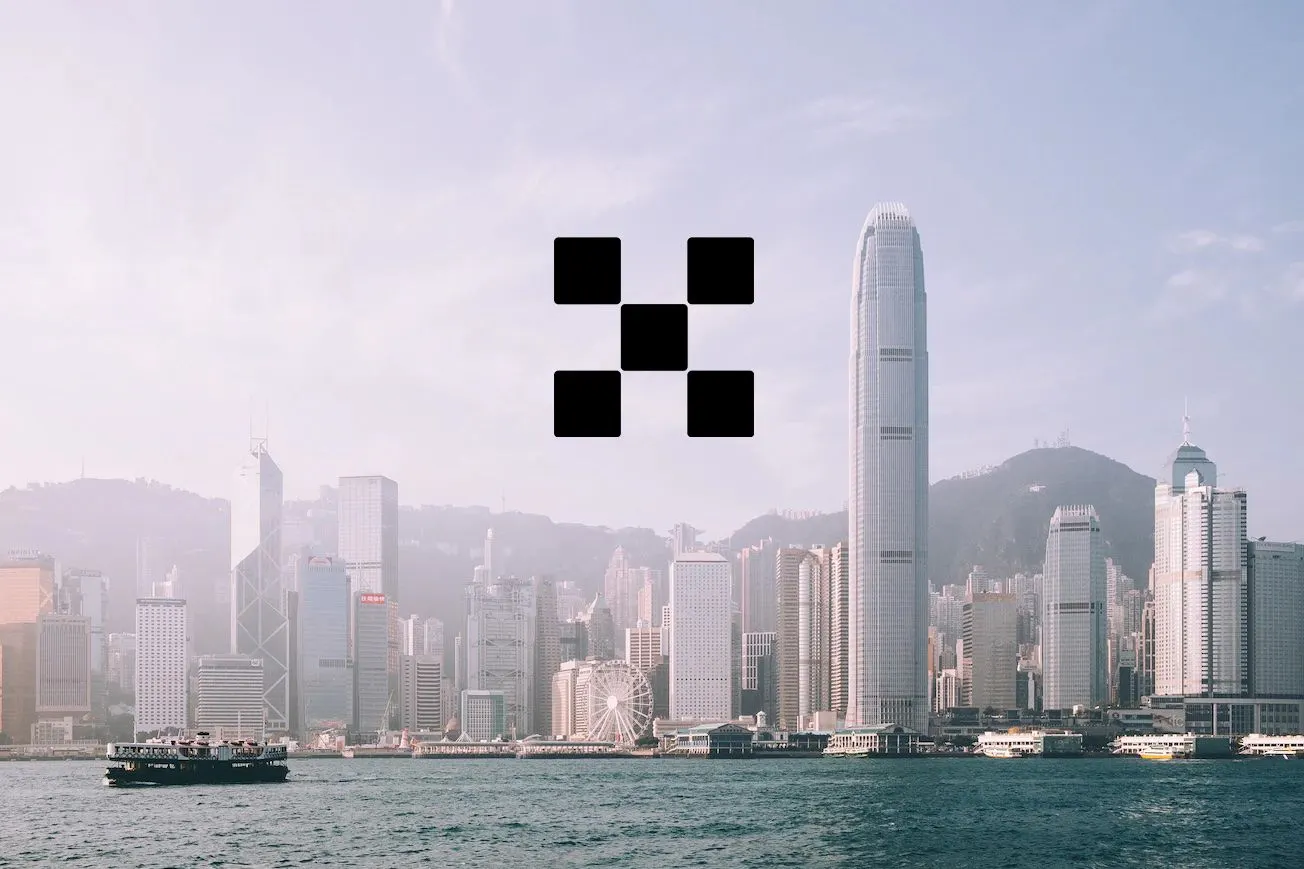
Photo by Dan Freeman / Unsplash

Table of Contents

Leading cryptocurrency exchange OKX has applied for a virtual asset trading license from the Hong Kong Securities and Futures Commission (SFC), the South China Morning Post reported Tuesday.

OKX's name is on the recently updated list of virtual asset trading platform license applicants, and is working closely with regulators to meet the necessary regulatory requirements, the report said. Obtaining a virtual asset trading license would enable OKX to offer a broader range of digital asset services to its users in Hong Kong, increasing its credibility in the local market.

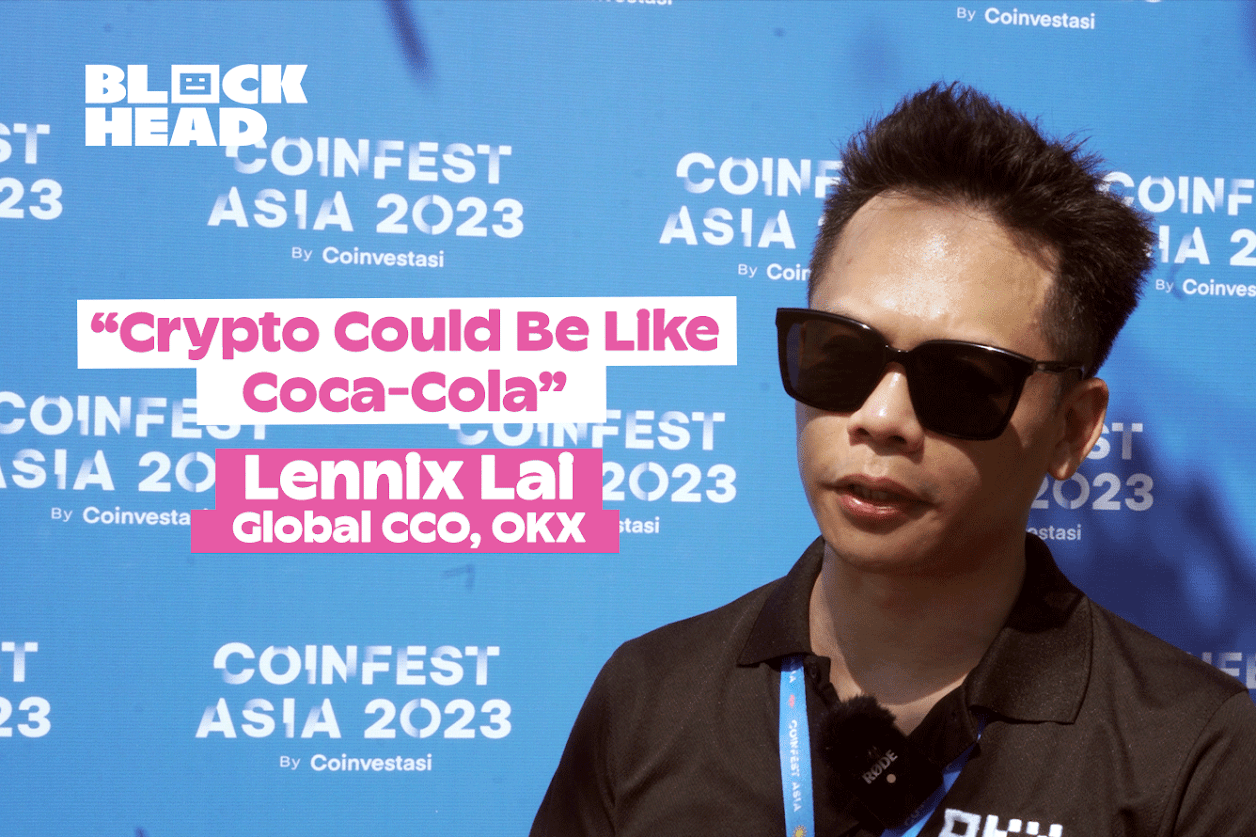
From F1 Tracks to Soda Racks: OKX’s Vision to Make Crypto as Ubiquitous as Coca-Cola
OKX is on a roll with its brand partnerships, counting Manchester City, McLaren and the Tribeca Film Festival, among others. All this feeds into its vision for its brand to be “like Coca-Cola.” OKX CCO Lennix Lai explains more.

This development underscores the growing importance of regulatory compliance in the cryptocurrency industry and OKX's dedication to adhering to regulatory frameworks in various jurisdictions. The exchange's efforts align with the broader trend of crypto exchanges seeking licenses and approvals to operate legally and securely in a rapidly evolving market.

Latest

Will 2026 Unwind Crypto Treasury Firms?

Will 2026 Unwind Crypto Treasury Firms?

The trade that once let equity investors proxy Bitcoin exposure is breaking down. With treasury firms underperforming their underlying assets, the model is shifting from accumulation to debt management—and many DATCOs may not make it through the next phase.

Crypto Cues to Watch Heading Into 2026 & Beyond

Crypto Cues to Watch Heading Into 2026 & Beyond

Crypto markets are set to be shaped less by single data prints and more by deeper forces – central bank credibility, AI-driven risk cycles, tariff-led inflation pressures, and dollar liquidity – creating a year defined by volatility, not clean trends.