


Featured


Keystone to Destroy 18,835 Hardware Wallets After Attacker Steals Device Authentication Key
The breach also exposed personal data on nearly 26,000 Shopify buyers whose records should already have been deleted, after the company's automated erasure tool failed without anyone noticing.






Licensed to Shill: Tokenised Stocks, Stonks and the Case for Self-Custody
Both guests read the stock-paired meme craze as a sign the sector has momentum, though their more durable case rests on what holders can do with a share once it sits in a wallet.

Licensed to Shill: Taiwan's Banks & AI Hardware Makers Could Fuel Asia's Largest Stablecoin Corridor | Justin Wang, Capital Layer
Wang says manufacturers selling AI devices into Latin America are paying up to 11% in local transfer fees, the gap Capital Layer is betting stablecoins can close.

Licensed to Shill: Ethereum's Staking Yield Cut Won't Fix What's Actually Broken
The panel, featuring Blockhead's Tim Han, discusses why cutting ETH's risk-free rate from roughly 3% to 1.2% cannot fix a token that still has nowhere useful to go.

Licensed to Shill: Retail Barely Touches Stablecoins – Treasury & Remittance Are the Real Adoption (Jeannie Lim, Xweave)
At Xweave, Jeannie Lim says her team moved $1 million for an e-commerce client in under three minutes, cutting settlement costs 30% against a Tier 2 bank's SWIFT rate.
Bitcoin’s Nasdaq Re-Coupling Is a Trap Until the Dollar Breaks
Bitcoin’s brief decoupling from tech stocks has failed, leaving it exposed to Nasdaq volatility, concentrated ETF flows and a macro calendar packed with potential catalysts. With midterms and Fed policy looming, the digital gold thesis is looking increasingly like a bet on AI earnings and liquidity.

MSCI's Rule Is Final – Strategy, Metaplanet Now Wait for November 11
The index provider replaced its crypto-specific limits with a general test for non-operating companies, and Strategy's stock fell nearly 10% in one session as the list date came into view
CME Group Adds Bitcoin Cash and Uniswap Futures, Taking Its Single-Asset Crypto Lineup to 11
The contracts give institutions a regulated hedge on two smaller-cap tokens, and six months of CME trading in UNI would matter for Bitwise's pending spot Uniswap ETF.
Bitcoin Holds Near $82,000 as Fed Officials Cool October Hike Bets
Comments from Michelle Bowman and Mary Daly pulled Treasury yields to a three-week low a day after hotter-than-expected inflation data, but spot bitcoin ETFs are still seeing net outflows this month.

AI Agents Could Close the Wealth Gap in Emerging Markets – Or Widen It
Crypto promised to democratise finance in Southeast Asia. The results were mixed. AI agents could be a second chance, but only if the infrastructure is built for everyone, not just those who can already afford a seat at the table, argues Morph CEO Colin Goltra.

The Retail vs. Institutional Divide: How Trading Patterns Reveal Two Completely Different Markets
As ETFs, corporate treasuries, and tokenized real-world assets absorb supply, the old four-year retail cycle is giving way to a macro-driven, institution-led regime where liquidity concentrates, volatility compresses, and value accrues to utility over hype.

Industry Inflection Point: How 2026 Will Define Enterprise Adoption of Crypto’s Fastest-Growing Asset Class
Bhau Kotecha, co-founder and head of Paxos Labs, explains why programmable stablecoins are becoming core financial infrastructure—and how institutions can capture value beyond payments.

Crypto Wasn’t on the Ballot in Japan, But the Mandate Will Shape It
Sota Watanabe, CEO of Startale Group and founder of Astar Foundation, discusses how Japan's snap election could affect crypto tax and regulatory reforms.
US Exchanges Are Still Sending Funds to Sanctioned Iranian Exchanges
Public blockchain data suggests Coinbase, Kraken, Robinhood and Binance.US have been sending funds directly to Iranian exchanges months after OFAC sanctions took effect. If crypto’s transparency was supposed to make compliance cheaper and easier, why are these firms doing a worse job than banks?

Hyperliquid's Policy Arm Wants the SEC to Write Airdrops and Buybacks Into the Rulebook
In a comment letter filed the day before today's deadline, the Hyperliquid Policy Center backs Regulation Crypto Assets but asks for five changes, including a hard line between automated and discretionary buybacks

The CFTC's Retail Crypto Plan Turns on Where Your Coins Sit
Two weeks after the agency's advance notice on Regulation CTX and CAM, the 28-day "actual delivery" test is the part that would change how exchanges hold customer assets

South Korea Meets Top Crypto Exchanges as Ruling-Party Bill Seeks to Push 22% Tax to 2029
A Democratic Party bill would tie the long-delayed levy to the OECD's crypto reporting framework, setting up what would be a fourth postponement of a tax first legislated in 2020.

Bitcoin Clings On as a Silent Fed, $100 Oil and an AI Wobble Take the Wheel
With Fed officials in blackout until the October 27–28 meeting, Treasury yields, oil and AI earnings will set the direction for a Bitcoin market pinned between $80,000 and $85,000.

AI Agents Have Made 138 Million Payments Over x402, Most of Them Under 10 Cents
Chainalysis data shows U.S. wallets account for almost all agent spending on AI model inference, while Chinese-linked wallets dominate payments for security and code analysis services.

Women Are Closing the Startup Gap While Capital Still Flows to Men
A global entrepreneurship study finds women founders increasingly out-innovating their male peers on AI adoption, even as investors and caregiving demands keep pulling them out of the race to scale.

SWI Group Raises €800M to Turn FTX-Backed Bitcoin Miner Genesis Digital Into AI Data Centres
The Amsterdam-listed buyer took control of the miner Alameda sank $1.15 billion into on the day FTX's estate dropped its clawback suit, and its CEO says he has "zero interest" in mining bitcoin.
Malaysia, Thailand Central Banks Join MAS-Led Initiative on Cross-Border Digital Money Settlement
Ripple, Visa, Mastercard and the World Bank Group have also signed on as Singapore's tokenised deposit and stablecoin settlement programme takes on a regional, cross-border remit.

Visa Moves Stablecoin Prefunding for Visa Direct Into Production, With Inyo Global as First Partner
The launch lets businesses top up cross-border payout accounts in USDC around the clock, though Visa has disclosed no volumes, chains or corridors for the service.

Mastercard, BVNK Launch Platform to Hold, Convert and Spend Fiat, Stablecoins
The Global Money Platform is the first product to combine Mastercard's payout and card network with BVNK's stablecoin infrastructure since Mastercard acquired the startup in August.
AI Agents Have Made 138 Million Payments Over x402, Most of Them Under 10 Cents
Chainalysis data shows U.S. wallets account for almost all agent spending on AI model inference, while Chinese-linked wallets dominate payments for security and code analysis services.
AI Agents Have Made 138 Million Payments Over x402, Most of Them Under 10 Cents
Chainalysis data shows U.S. wallets account for almost all agent spending on AI model inference, while Chinese-linked wallets dominate payments for security and code analysis services.

DAS2026 Speakers Trade Tokenisation's Promise for Its Plumbing
Speakers at the Digital Assets Association's Singapore summit spent less time on tokenisation's promise and more on capital treatment, interoperability and the human errors behind most exploits.

MAS Finalises AI Risk Rules for Financial Institutions, With Agentic AI Guidance to Follow in 2027
The guidelines hold firms accountable for third-party AI models they use and take effect in October 2027, and MAS says autonomous agents will need further guidance of their own.

0G Commits S$20 Million to Singapore, Makes City-State Its Global Headquarters
The decentralised AI infrastructure company is spreading the five-year pledge across operations, university research and a badminton AI project, while its token trades more than 95% below its all-time high.
Editors' Picks
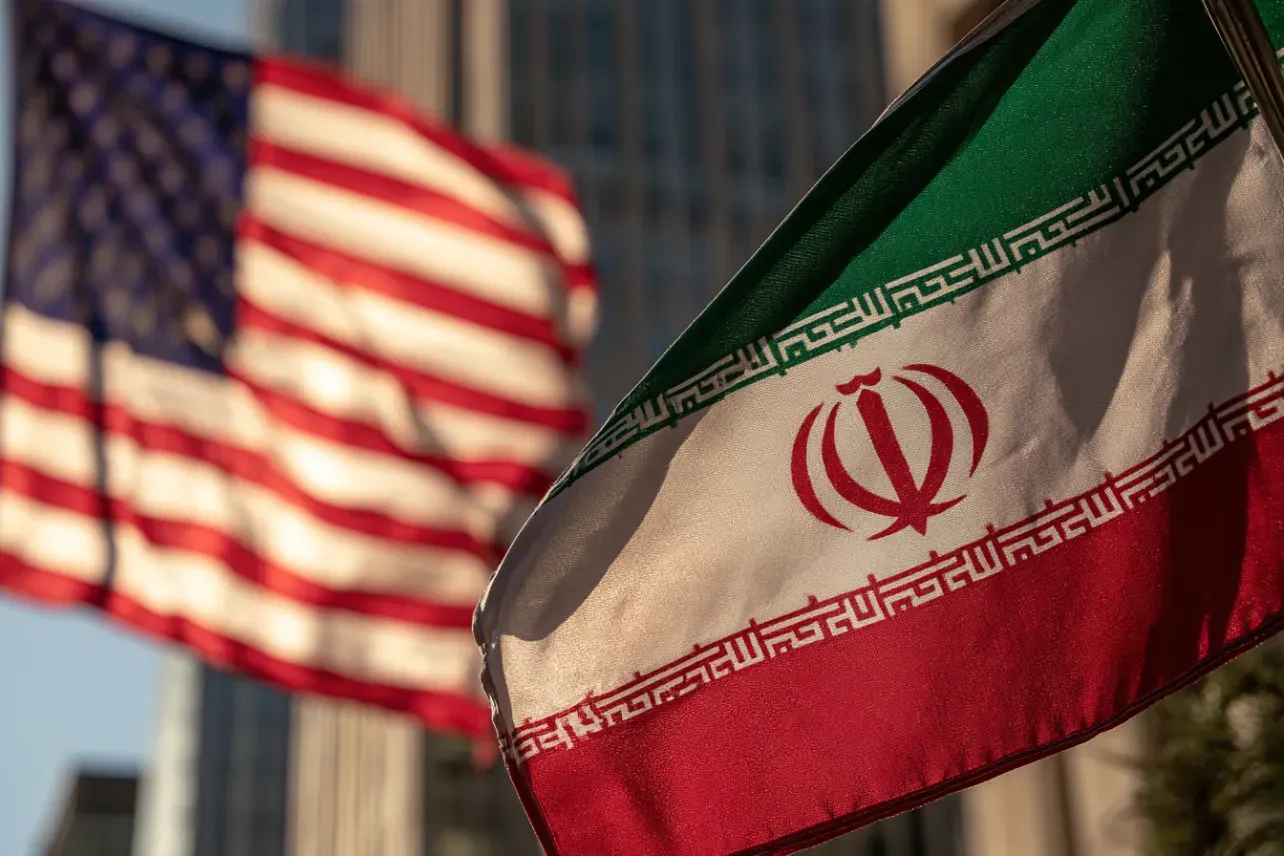
US Exchanges Are Still Sending Funds to Sanctioned Iranian Exchanges
Public blockchain data suggests Coinbase, Kraken, Robinhood and Binance.US have been sending funds directly to Iranian exchanges months after OFAC sanctions took effect. If crypto’s transparency was supposed to make compliance cheaper and easier, why are these firms doing a worse job than banks?

Thoughts on the Ledger Supply-Chain Attack
Ledger’s supply-chain attack exposes the uncomfortable trade-offs behind hardware wallets: the devices promising security can create new vulnerabilities through complexity, opaque manufacturing and misplaced trust.

Reap's Daren Guo Says Payward Deal Sped Up an Existing Roadmap, With Agentic Payments Next
Three months after Kraken's parent closed its acquisition of the Hong Kong stablecoin card issuer, Reap is building out Mexico as a second hub and pitching AI agents as its next growth channel.
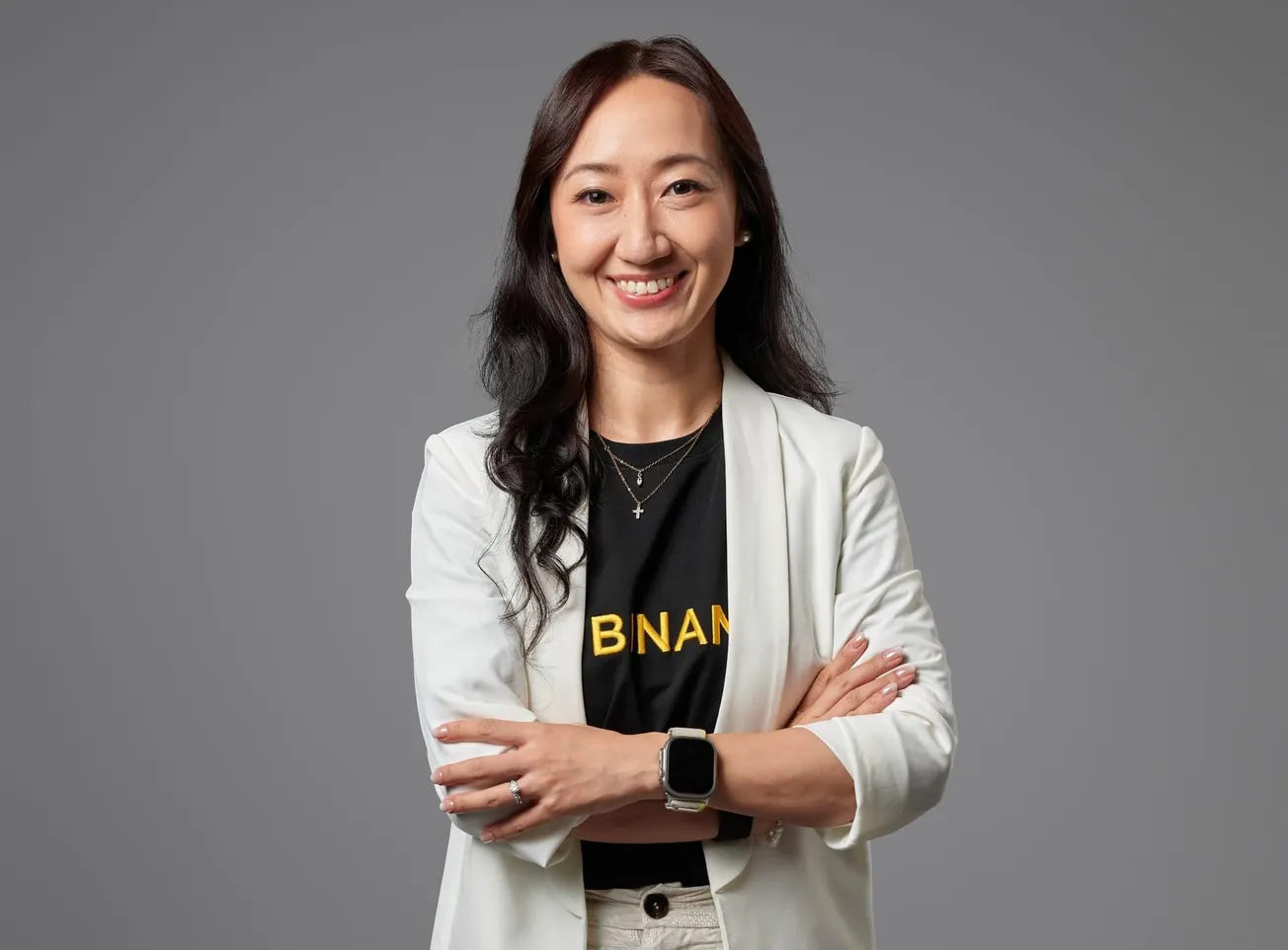
Binance Will Judge Its Marketing on User Retention, Interim CMO Eowyn Chen Says
Chen outlines how Binance will explain tokenized stocks, crypto-backed loans and AI agents to users, and why she treats trust as the objective.

Perps: Swaps or Futures?
Perpetual futures may borrow the name of futures, but their mechanics look far more like modern cleared swaps. The case for regulating perps as swaps starts with how they actually work, not what they are called.

The Sanctions Shuffle
The problem with running a global crypto exchange from offshore is not just compliance. It is who stands behind you when a major power comes calling.