
Table of Contents
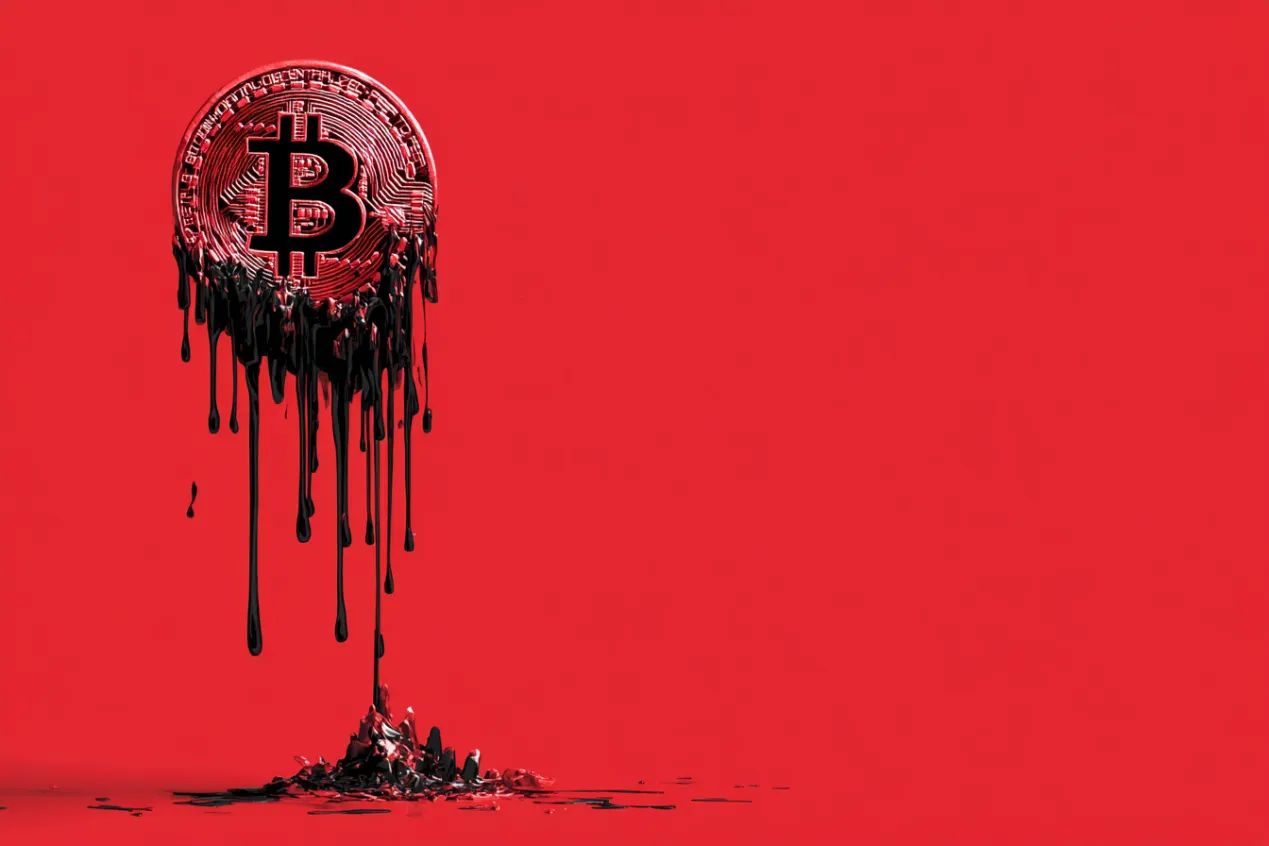
Credited with being one of the world's first bitcoin exchanges – accounting for up to 80% of trading volume during its peak – Mt Gox first launched in the summer of 2010 but suspended operations in February 2014 amid heightened speculation about potential untoward activity.
The fall of the Japanese exchange in 2014 was prompted by 750,000 Bitcoins – at the time worth around $500 million, and now in the billions – that went missing, putting crypto’s future in doubt. Its former CEO Mark Karpeles remains a controversial figure.
 Blockhead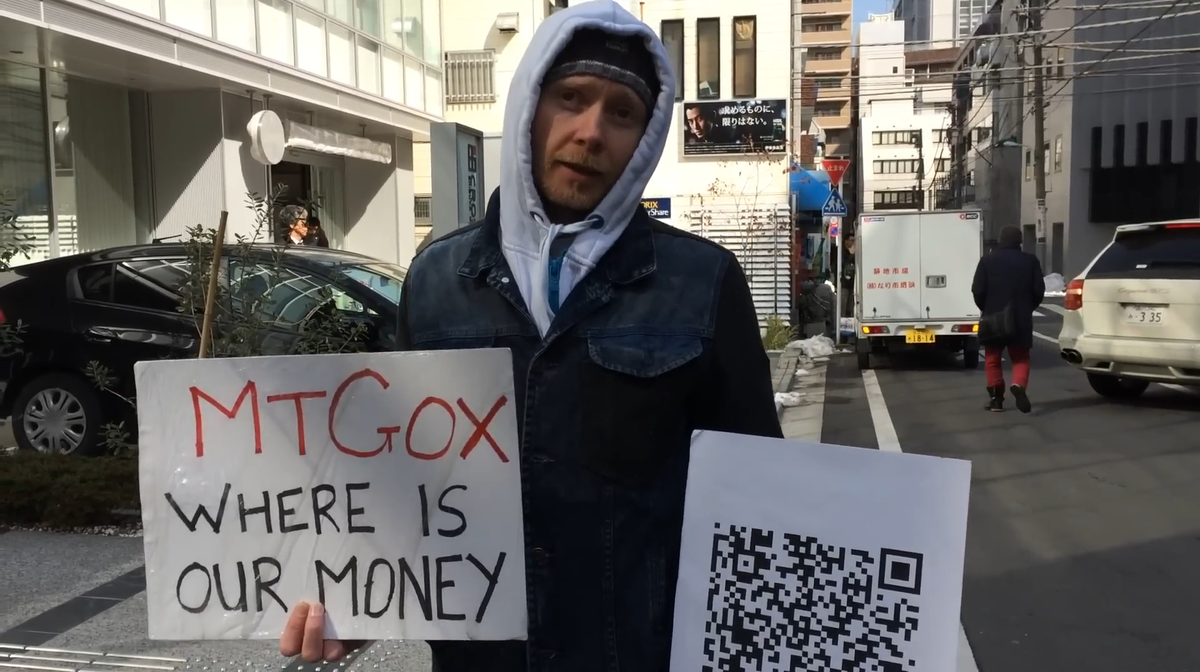
Mark Karpeles rose to prominence as the CEO of Mt. Gox, once the world's largest Bitcoin exchange. Founded in 2010 by American programmer Jed McCaleb, Mt. Gox quickly became the go-to platform for buying, selling, and trading Bitcoin, handling a significant majority of all Bitcoin transactions at its peak.
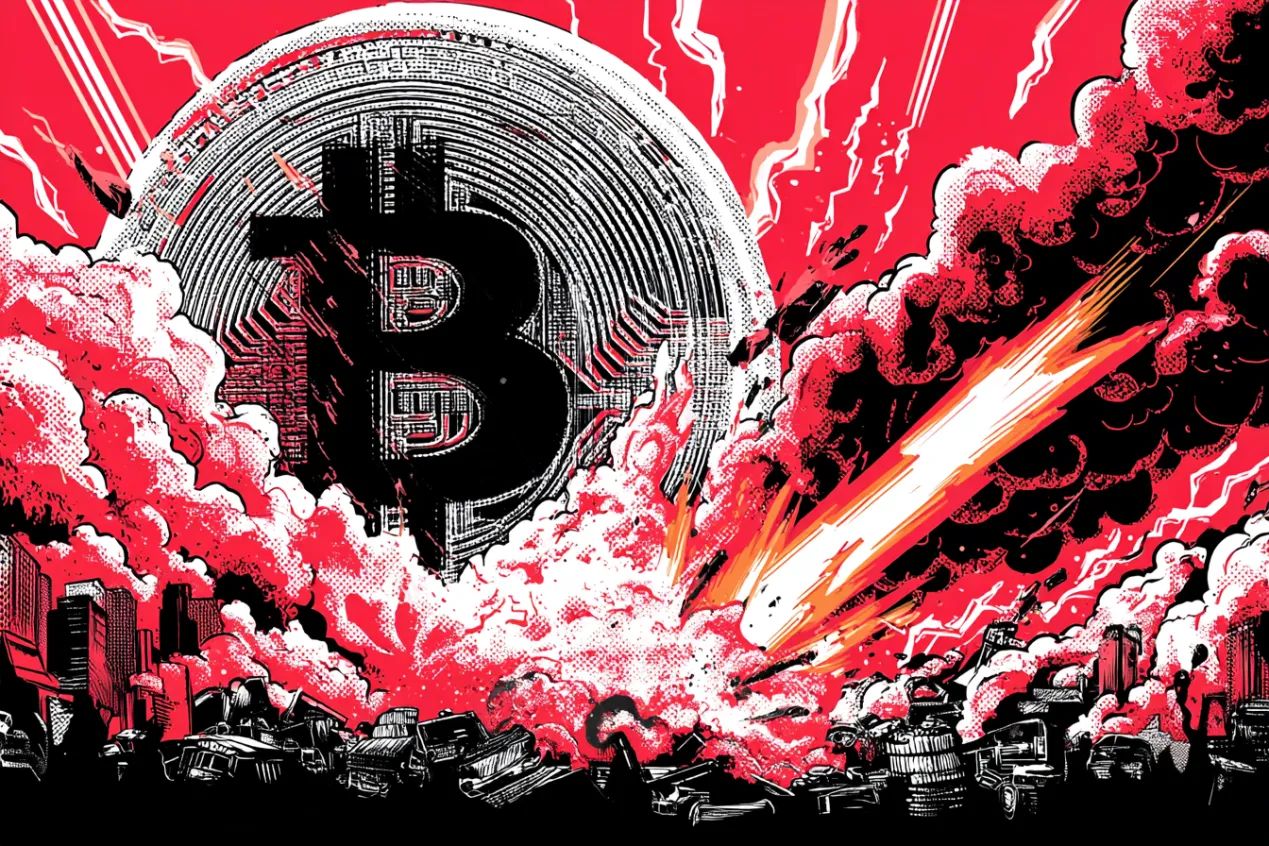
However, Mt. Gox's meteoric rise was accompanied by mounting controversies and technical challenges. From security breaches to regulatory scrutiny, the exchange faced numerous setbacks that ultimately culminated in its catastrophic collapse in 2014. Hundreds of thousands of Bitcoins belonging to users vanished, sparking outrage and legal battles that continue to this day.
Mark Karpeles found himself thrust into the spotlight as the face of Mt. Gox's downfall, grappling with accusations of mismanagement, negligence, and even embezzlement. Despite maintaining his innocence, Karpeles faced a grueling legal battle and endured intense public scrutiny in the aftermath of the exchange's demise.
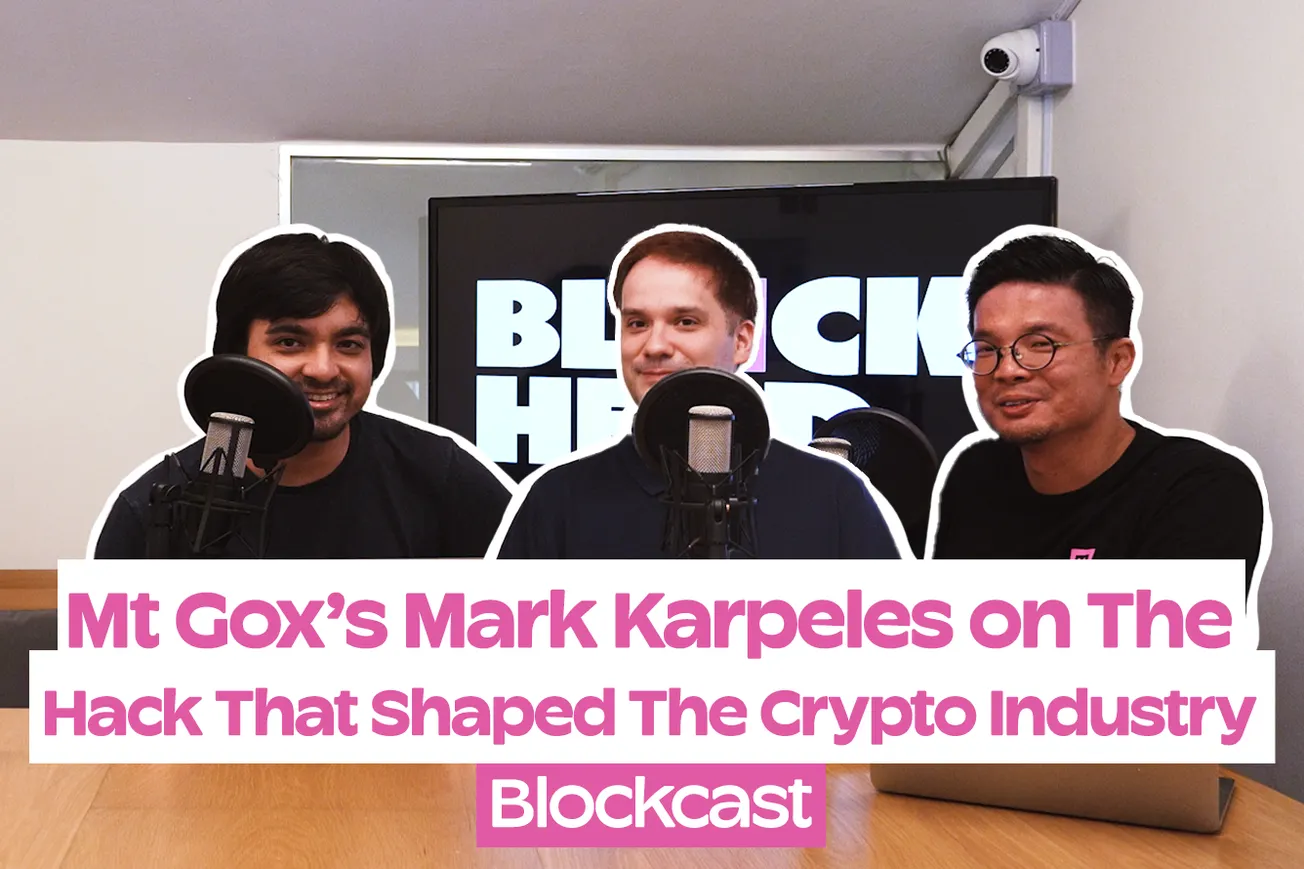
In this candid and unfiltered interview, Karpeles opens up about his experiences navigating the tumultuous landscape of early cryptocurrency adoption, and the state of the cryptocurrency industry a decade later.
🎙️ Hey there, Blockcast listeners! 🎙️ This podcast provides commentary and discussion on cryptocurrency and related topics. It is intended for informational and entertainment purposes only and should not be construed as financial advice. Guests appearing on this podcast may discuss companies or strategies, but these discussions are not recommendations to buy, sell, or hold any particular asset or pursue any specific strategy. The hosts and guests are not financial advisors, and listeners are urged to consult with a qualified professional before making any investment decisions. Investments in cryptocurrency are inherently risky, and you could lose money.