
Table of Contents
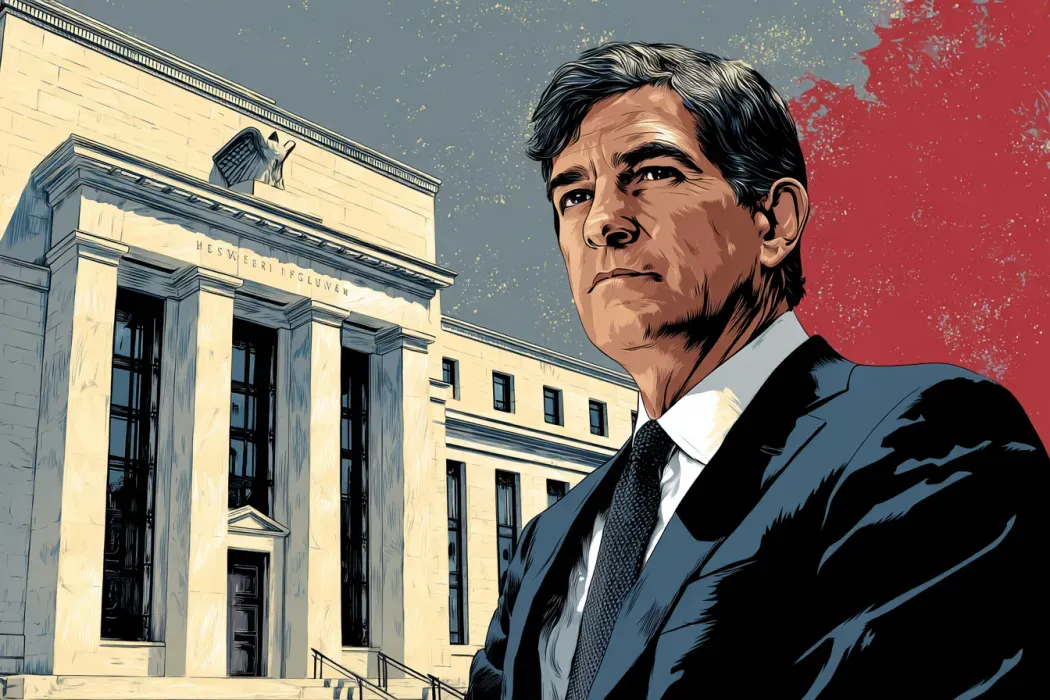
The US Senate confirmed Kevin Warsh as the next chair of the Federal Reserve on Wednesday in a 54-45 vote, the most divisive confirmation in the central bank's modern history. Pennsylvania Democrat John Fetterman was the only senator to cross party lines. Warsh, 56, becomes the 11th Fed chair of the modern era, succeeding Jerome Powell, who retains a seat as governor.
Warsh is the first incoming Fed chair to have held direct exposure to digital assets. His disclosed holdings include an equity stake in Flashnet, a Bitcoin payments startup, ties to Bitwise, the crypto index manager, and a position in Basis, a stablecoin project. Through venture fund structures, he holds equity positions in more than a dozen blockchain and digital asset companies spanning DeFi lending, decentralised derivatives, Layer 1 and Layer 2 networks, prediction markets, and Bitcoin payments infrastructure. He has pledged to largely divest these holdings.
His public statements on Bitcoin have been consistently constructive. At a Hoover Institution event last year, Warsh described Bitcoin as "an important asset" and "a very good policeman for policy," framing its price as a signal of confidence in the Fed's inflation management rather than a threat to dollar dominance. He has also described Bitcoin as the new gold for younger investors.
On the regulatory questions that will matter most to the crypto industry, Warsh's positions are clear: he opposes a central bank digital currency and favours private-sector-issued stablecoins — a stance that aligns directly with the framework being debated in the Clarity Act, which Congress is expected to vote on shortly. That combination puts him closer to the industry's preferred regulatory outcome than any previous Fed chair.
His first meeting in the chair role is scheduled for June 16–17. The immediate challenge, however, is more pressing than any crypto-specific policy question: April's CPI came in at 3.8%, the highest in nearly three years, and Warsh has previously signalled support for lower rates, a position that the latest inflation data makes considerably harder to defend. Markets are now pricing a 62% probability of no rate cuts in 2026.
The crypto industry's near-term interest in Warsh may be less about his personal holdings and more about the tone he sets on stablecoin regulation, bank crypto custody standards, and the Fed's approach to digital payment infrastructure – questions that will move through his tenure regardless of what Bitcoin does.