

Table of Contents
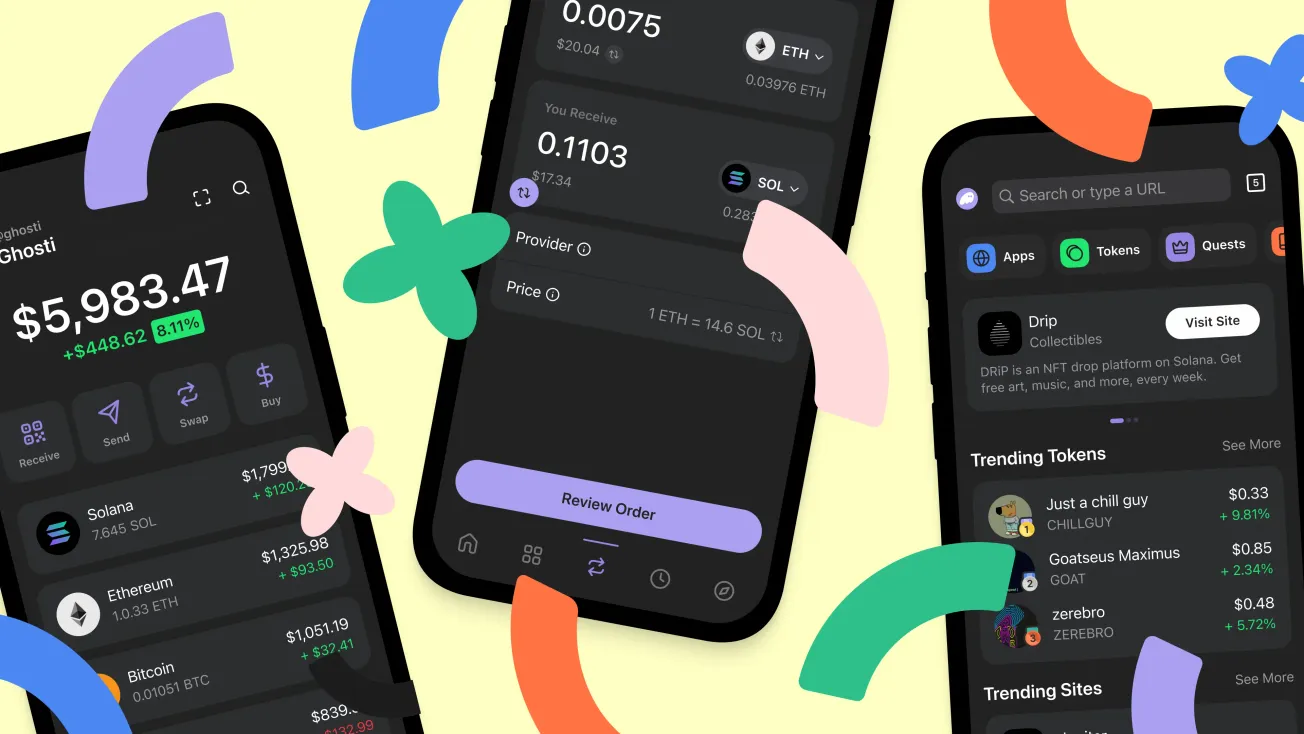
Stripe has acquired the team behind Valora, a mobile-focused digital asset wallet, as the payments giant accelerates development of blockchain-based financial infrastructure.
Jackie Bona, CEO and co-founder of Valora, announced the move Wednesday, describing the acquisition as advancing the company's mission to expand global financial access. The Valora team will join Stripe to contribute expertise in web3 and user-focused product design to the platform's blockchain initiatives.
Today, I'm excited to share the next chapter in @Valora's journey. The Valora team will be joining @stripe, marking an important milestone in our mission to unlock access to financial opportunity for people around the world.
— Jackie Bona (@jackie_bona) December 10, 2025
We founded Valora on a core belief and mission:…
The Valora application will return to cLabs, the company from which Valora spun out four years ago, for continued development and maintenance. Valora has focused on making it easier for users to send, save and transact with digital assets through mobile devices, particularly targeting underserved markets where traditional financial systems remain inaccessible.
Bona said conversations with Stripe revealed significant alignment on the potential for stablecoins and crypto infrastructure to expand economic participation globally. The acquisition allows Valora's team to apply its mobile wallet experience to Stripe's broader platform reach.
Tempo Rolls Out Testnet
The team acquisition follows Tempo's public testnet launch one day earlier. Tempo is a blockchain network built by Stripe and Paradigm focused on payment infrastructure and stablecoin use cases, with technical input from OpenAI, Shopify and Visa during development.
With the testnet opening, Tempo disclosed partnerships with Mastercard, UBS and Klarna. Klarna intends to issue KlarnaUSD, a stablecoin running on Tempo, timed with the network's mainnet deployment next year.
Matt Huang, who leads the Tempo project and co-founded Paradigm, said the testnet now enables experimentation with international payments, tokenized deposits and AI-driven transaction flows. The blockchain supports Ethereum Virtual Machine compatibility and incorporates payment-optimized architecture designed to keep transaction costs low.
Unlike networks requiring native tokens for fees, Tempo accepts stablecoin payments for gas, reducing exposure to price volatility. Four validators currently operated by the Tempo team secure the network, with broader validator participation planned for mainnet.
Stripe secured $500 million in funding in October for Tempo development. Dankrad Feist, formerly a researcher with the Ethereum Foundation, joined Tempo in an advisory capacity to assist with mainnet preparation.