
US Securities and Exchange Commission (SEC) Chairman Gary Gensler's congressional testimony last week was big news. But the hearing itself contained little new information and, as usual, most of the questions were designed to get the questioner on TV and in front of their voters. This is why Rep. Tom Emmer, for example, kept asking questions and cutting off the answers: the answers were not the point. That is what these hearings are about.
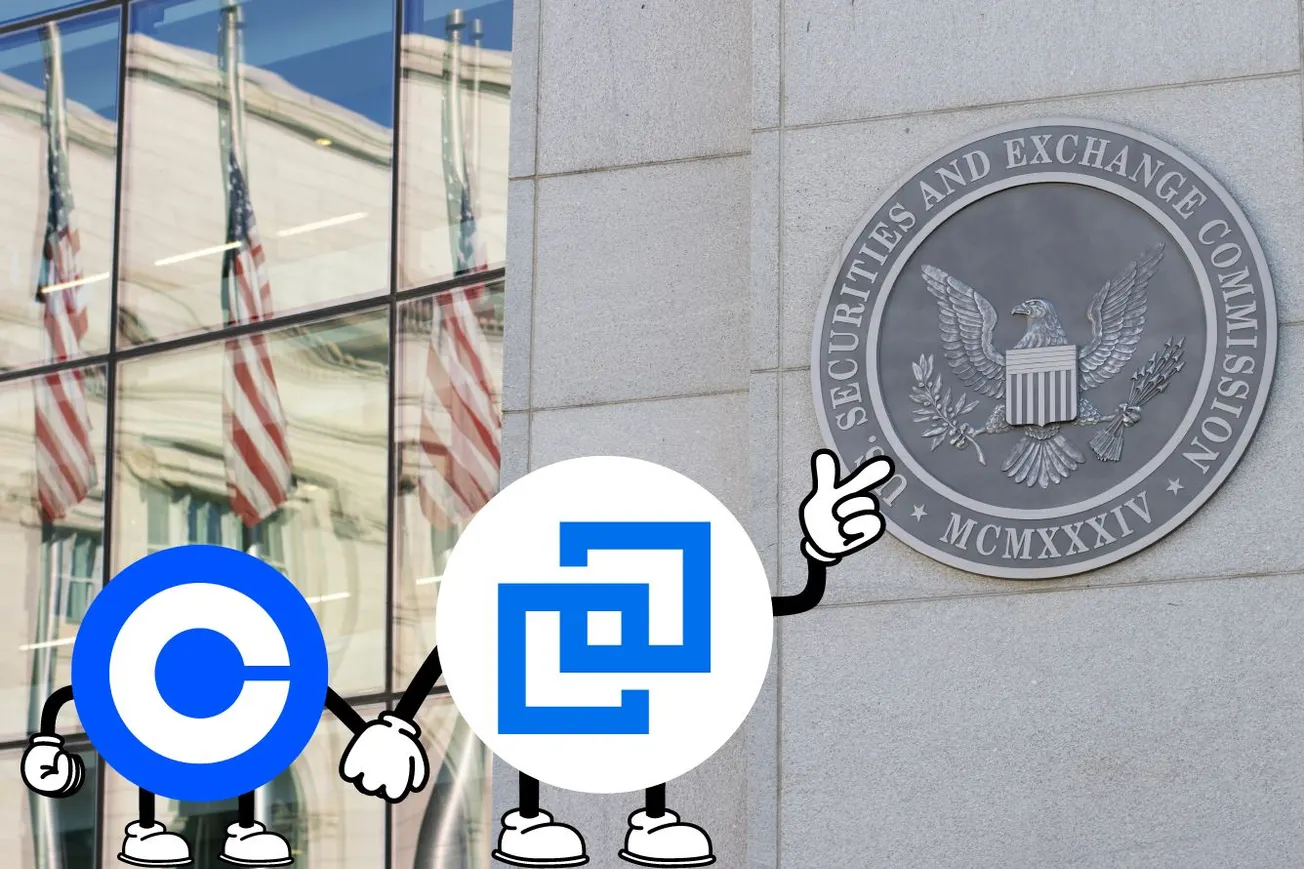
Gensler's prepared testimony, when paired with the SEC's charges against Bittrex last week, tell us where the Coinbase saga is likely going. In the written pre-prepared testimony Chairman Gensler said, in a section entitled "Crypto":
Right now, unfortunately, this market is rife with noncompliance. This noncompliance not only puts investors at risk, but also puts at risk the public’s trust in our capital markets.
He makes decisions at the largest securities regulator and clearly thinks there are a lot of problems. The SEC is only empowered to charge people and firms and not to adjudicate disputes so this only means more charges are likely coming. But their track record so far is pretty good.
The hearing itself contained few if any specifics and, as is usually the way in these matters, we need to look to the charges the SEC files to get details.